We are going to break down some of the main types of plastic materials identifying Nylon, Polypropylene as well as HDPE and more. This will assist you in deciding a correct material and choose the best material. Whether you need a base material that's lightweight, die-cut-able, or weatherproof, you should check with http://iplasticsupply.com, they have the perfect plastic material for your needs.
Showing posts with label plastic. Show all posts
Showing posts with label plastic. Show all posts
Wednesday, April 24, 2024
Engineering Grade Plastic Sheets from ISO Certified Supplier

Engineering Grade Plastic Sheet from ISO Certified Supplier
We are going to break down many of the grades of plastics identifying PTFE, ABS as well as HDPE and more. This should help you in deciding a correct material and choose the best material. Whether you need a base material that is lightweight, impact-resistant, or weatherproof, you can contact http://plastic.guru, they have the perfect plastic material for your needs.
Wednesday, February 23, 2022
Lexan Polycarbonate Flat Sheet offering light weight and break resistance
Polycarbonate products offer a unique balance of beneficial features including temp resistance, impact resistance and optical properties position polycarbonates between commodity plastic materials and engineering plastic materials.
Polycarbonate is a very long-lasting material. Even though it has very high impact-resistance, it has got reduced scratch-resistance and so a hard coating may be applied to polycarbonate eyewear lenses as well as polycarbonate exterior automotive components. The characteristics relating to polycarbonate are generally along the lines of those of Acrylic PMMA materials, and yet polycarbonate definitely is stronger, it is usable in a wider temperature range and is a bit more expensive. This plastic polymer is highly transparent to visible light and has better light transmission characteristics than many kinds of glass.
Polycarbonate carries a glass transition temperature near 150 °C (302 °F), in order that it softens slowly above this point and flows above about 300°C (572 °F). Tools will have to be held at high temperatures, generally above 80 °C (176 °F) to help with making strain- and reduced stress products.
Unlike most thermoplastics, polycarbonate can undergo large deformations without breaking. For this reason, it may be processed and formed cold using standard sheet metal techniques, for instance forming bends on a brake. For even sharp angle bends having a tight radius, no heating is usually necessary. This makes it attractive prototyping applications where transparent or electrically non-conductive parts are required, which can not be made from sheet metal. Note that PMMA/Plexiglas, that is certainly similar in appearance to polycarbonate, but is brittle and cannot be bent at room temperature.
The light weight of polycarbonate, compared to glass, has led to growth and development of electronic touch screens that replace the traditional glass with polycarbonate, for use in mobile and portable devices. Such displays include newer e-ink as well as LCD screens, though CRT, plasma screen and other LCD technologies generally still require glass for its higher melting temperature and the ability to be etched with finer detail.
Other types of items made from Polycarbonate include durable, lightweight luggage, MP3/digital audio player cases, computer cases, high impact riot shields, instrument panels, and common style blender jars. Many toys and hobby goods are produced from polycarbonate parts, e.g. fins, gyro mounts, and flybar locks for use with radio-controlled helicopters.
For use in applications exposed to weathering or UV-radiation, a special surface treatment could be needed. This can be a coating (e.g. for improved abrasion resistance), or a coextrusion for enhanced weathering resistance.
Bayer Makrolon Polycarbonate is a thermoplastic that starts as a solid material in the form of small pellets. In a manufacturing process called injection molding, this pellet material is heated until they melt in to a thick liquid. The melted liquid polycarbonate is then rapidly injected into a mold, compressed under high pressure and cooled to form a finished product , that only takes about a minute to complete.
Covestro Makrolon Polycarbonate Sheets offering light weight and break resistance
Bayer Makrolon Polycarbonate materials offer a unique balance of beneficial features this includes high temperature resistance, impact resistance and optical properties position polycarbonates between commodity plastics and engineering plastic materials.
Polycarbonate is a very rugged material. Though it has very high impact-resistance, it possesses a lower scratch-resistance and thus a hard coating is often applied to polycarbonate eye protection lenses as well as polycarbonate exterior vehicle equipment. The properties associated with polycarbonate are generally similar those of Acrylic PMMA materials, and yet polycarbonate is actually stronger, it is usable in a wider temperature range and is a bit more expensive. This plastic polymer is highly transparent to visible light and has better light transmission characteristics than many kinds of glass.
Polycarbonate carries a glass transition temperature of about 150 °C (302 °F), in order that it softens gradually above this point and flows above about 300°C (572 °F). Tools must be held at high temperatures, generally above 80 °C (176 °F) to help with making strain- and almost stress free products.
Unlike many thermoplastics, polycarbonate can undergo massive shape changes without breaking or cracking. Because of that, for small changes in shape, it can be processed and formed at room temperature using sheet metal techniques, for instance forming bends on a brake. Even for sharp angle bends with a tight radius, no heating is generally necessary. This makes it attractive prototyping applications where transparent or electrically non-conductive parts are needed, which may not be crafted from sheet metal. Understand that PMMA/Plexiglas, which is similar in appearance to polycarbonate, but it is brittle and can't be bent with out a heating process.
Polycarbonate is commonly used in eye protection, as well as in other projectile-resistant optical type applications that would normally be thought of as requiring the use of glass, but require higher impact-resistance. Many kinds of lenses are created from polycarbonate, including automotive headlamp lenses, lighting lenses, sunglass/eyeglass lenses, swimming and SCUBA goggles, and safety goggles for use in sporting helmets/masks and police riot gear. Windscreens in small motorized vehicles are commonly fabricated from polycarbonate, such as for motorcycles, ATVs, golf carts, and small planes and helicopters.
Tuesday, February 22, 2022
Sheffield Plastics Polycarbonate Sheets are considered unbreakable
Bayer Makrolon Polycarbonate materials offer a unique balance of useful features this includes high temperature resistance, impact resistance and optical properties position polycarbonates in between commodity plastic materials and engineering plastic materials.
Polycarbonate is definitely a long-lasting material. Whilst it features very high impact-resistance, it possesses reduced scratch-resistance and thus a hard coating typically is applied to polycarbonate eye wear lenses as well as polycarbonate exterior auto equipment. The characteristics associated with polycarbonate are like those of polymethyl methacrylate (PMMA, acrylic), but polycarbonate definitely is stronger, it is usable in a wider temperature range and is a bit more expensive. This plastic polymer is highly transparent to visible light and has better light transmission characteristics than most grades of glass.
Polycarbonate carries a glass transition temperature near 150 °C (302 °F), in order that it softens gradually above this point and flows above about 300°C (572 °F). Tools are required to be held at warm to high temperatures, generally above 80 °C (176 °F) to produce strain- and almost stress free products.
Unlike many thermoplastics, polycarbonate can undergo dramatic deformations without breaking or cracking. For this reason, for small changes in shape, it can be processed and formed  at room temperature using standard sheet metal techniques, which include forming bends with a brake. For even sharp angle bends with a tight radius, no heating is usually necessary. This makes it attractive prototyping applications where transparent or electrically non-conductive parts are required, which cannot be made from sheet metal. Understand that PMMA/Plexiglas, that is similar in appearance to polycarbonate, but it is brittle and can't be bent without heating.
The light weight of polycarbonate, unlike glass, has led to continuing development of electronic display screens that replace glass materials with polycarbonate, for use in mobile and portable devices. Such displays include newer e-ink and a few LCD screens, though CRT, plasma screen and other LCD technologies which still do require glass for its higher melting temperature and its ability to be etched with finer detail.
Other kinds of items made out of Polycarbonate include durable, lightweight luggage, MP3/digital audio player cases, computer cases, riot shields, instrument panels, and blender jars. Many toys and hobby items are produced from polycarbonate parts, e.g. fins, gyro mounts, and flybar locks for use with radio-controlled helicopters.
For use in applications subjected to weathering or UV-radiation, a special surface treatment is needed. This either can be a coating (e.g. for improved abrasion resistance), or perhaps the coextrusion for enhanced weathering resistance.
Bayer Makrolon Polycarbonate is a thermoplastic that at the beginning, starts as a solid plastic material in the form of small pellets. In a manufacturing process called injection molding, this pellet material is heated until they melt. The liquid polycarbonate is then rapidly injected into molds, compressed under high pressure and cooled to form a finished product in a matter of minutes.
local engineering plastic sheet
Monday, January 31, 2022
Plexiglass Sneeze Guard Shield for Counter
1. The plexiglass sneeze guard for counter brings a sense of safety to employees, workers and staff at their workplace. The plastic sneeze guard portable is a great way to protect both clients and cashiers and tellers while remaining open to the public. This plexi glass sneeze guard shield for counter is a MUST-HAVE to help reduce the spread of contagious, airborne dangers commonly caused by coughing, sneezing or even droplets.
2. Keep your business safe and open with our portable sneeze guard acrylic. Their clear material can easily be wiped down, and offers an effective barrier against transmission. The acrylic sneeze guard for desk works as a cashier sneeze guard is a must have shields for safety and protection for sales and service businesses. Using this protective sneeze guard will minimize the health risks many essential employees are faced with today!
3. High opening on the bottom that allows for packages to pass through. This provides a safety barrier for any transaction counter! The counter sneeze guard helps you to REDUCE EXPOSURES to people coughing, sneezing and spraying droplets from their nose or mouth and STAY SAFE.
4. The sneeze guards are thin and lightweight enough to be easily moved with care. These clear plexiglass barriers are perfect for manicure tables at nail salons or retail countertops or wherever there is a need to limit contact with third parties - in shops, pharmacies, grocery stores or banks. This way you can still see and interact with customers while still providing a layer of protection.
5. Our FREESTANDING cashier protection sneeze guard is quick and easy to assemble by one person in seconds without any tools. It can be easily disassembled and moved easily wherever a plexiglass window is needed. Perfect for use as a countertop sneeze guard for restaurant cashiers, workstation screen, and portable sneeze guards for countertops.
Plexiglass Sneeze Guard Shield for Counter
1. The plexiglass sneeze guard for counter brings a sense of safety to employees, workers and staff at their workplace. The plastic sneeze guard portable is a great way to protect both clients and cashiers and tellers while remaining open to the public. This plexi glass sneeze guard shield for counter is a MUST-HAVE to help reduce the spread of contagious, airborne dangers commonly caused by coughing, sneezing or even droplets.
2. Keep your business safe and open with our portable sneeze guard acrylic. Their clear material can easily be wiped down, and offers an effective barrier against transmission. The acrylic sneeze guard for desk works as a cashier sneeze guard is a must have shields for safety and protection for sales and service businesses. Using this protective sneeze guard will minimize the health risks many essential employees are faced with today!
3. High opening on the bottom that allows for packages to pass through. This provides a safety barrier for any transaction counter! The counter sneeze guard helps you to REDUCE EXPOSURES to people coughing, sneezing and spraying droplets from their nose or mouth and STAY SAFE.
4. The sneeze guards are thin and lightweight enough to be easily moved with care. These clear plexiglass barriers are perfect for manicure tables at nail salons or retail countertops or wherever there is a need to limit contact with third parties - in shops, pharmacies, grocery stores or banks. This way you can still see and interact with customers while still providing a layer of protection.
5. Our FREESTANDING cashier protection sneeze guard is quick and easy to assemble by one person in seconds without any tools. It can be easily disassembled and moved easily wherever a plexiglass window is needed. Perfect for use as a countertop sneeze guard for restaurant cashiers, workstation screen, and portable sneeze guards for countertops.
Saturday, January 22, 2022
Covestro Makrolon Polycarbonate Flat Sheet offering light weight and break resistance
Polycarbonate products offer a unique balance of beneficial features including temp resistance, impact resistance and optical properties position polycarbonates in between commodity plastics and engineering plastic materials.
Polycarbonate is a very high quality material. Even though it has tremendous impact-resistance, it has got a lower scratch-resistance and thus a hard coating can be applied to polycarbonate eye protection and polycarbonate exterior automotive equipment. The characteristics relating to polycarbonate are generally like those of common Acrylic materials, although polycarbonate is definitely stronger, it is usable in a wider temperature range and is a bit more expensive. This plastic polymer is highly transparent to visible light and has better light transmission characteristics than most grades of glass.
Polycarbonate carries a glass transition temperature near 150 °C (302 °F), consequently it softens slowly above this point and flows above about 300°C (572 °F). Tools should be held at high temperatures, generally above 80 °C (176 °F) to help make strain- and almost stress free products.
Unlike almost all other thermoplastics, polycarbonate can undergo massive deformations without breaking. For this reason, it can be processed and formed cold using standard sheet metal techniques, which include forming bends with a brake. Even for sharp angle bends having a tight radius, no heating is usually necessary. This makes it useful for prototyping applications where transparent or electrically non-conductive parts are essential, which can't be created from sheet metal. Please keep in mind PMMA/Plexiglas, which is similar in looks to polycarbonate, but it's brittle and can't be bent at room temperature.
Polycarbonate is commonly used in eye protection, and also in other projectile-resistant see through applications that would normally require the use of glass, but require much greater impact-resistance. Several types of lenses are manufactured from polycarbonate, including automotive headlamp lenses, lighting lenses, sunglass/eyeglass lenses, swimming and SCUBA goggles, and safety goggles for use in sporting helmets/masks and police riot gear. Windscreens in small motorized vehicles are typically made from polycarbonate, such as for motorcycles, ATVs, golf carts, and small planes and helicopters.
Sheffield Plastics Polycarbonate Flat Sheet offer high impact strength
Polycarbonate plastic products give you a unique balance of beneficial features this includes high temperature resistance, impact resistance and optical properties position polycarbonates in between commodity plastics and engineering plastics.
Polycarbonate is definitely a sturdy material. Although it has higher impact-resistance, it has got minimal scratch-resistance and so a hard coating may be applied to polycarbonate eyeglasses and polycarbonate exterior auto components. The properties relating to polycarbonate are generally similar those of Acrylic PMMA materials, except polycarbonate is going to be stronger, it is usable in a wider temperature range and is a bit more expensive. This plastic polymer is highly transparent to visible light and it has better light transmission characteristics than several types of glass.
Polycarbonate carries a glass transition temperature of approximately 150 °C (302 °F), so it softens slowly above this point and flows above about 300°C (572 °F). Tools should be held at higher temperatures, generally above 80 °C (176 °F) to help make strain- and almost stress free products.
Unlike most other thermoplastics, polycarbonate can undergo dramatic deformations without cracking. Because of that, it could be processed and formed without needing to be heated using sheet metal techniques, which include forming bends on a brake. For even sharp angle bends with a tight radius, no heating is generally necessary. This makes it attractive prototyping applications where transparent or electrically non-conductive parts are important, which can't be made from sheet metal. Remember that PMMA/Plexiglas, which happens to be similar in appearance to polycarbonate, but it's brittle and cannot be bent at room temperature.
Polycarbonate is often used in eye protection, along with other projectile-resistant viewing and lighting applications that would normally require the use of glass, but require much greater impact-resistance. Many kinds of lenses are manufactured from polycarbonate, including automotive headlamp lenses, lighting lenses, sunglass/eyeglass lenses, swimming and SCUBA goggles, and safety glasses for use in sporting helmets/masks and police riot gear. Windscreens in small motorized vehicles are commonly crafted from polycarbonate, such as for motorcycles, ATVs, golf carts, and small planes and helicopters.
Thursday, December 30, 2021
What Industry Continuously Define CNC Accuracy
Considering that the dawn of the CNC (Computer Numerical Control) devices introduction in the machining industry, they have actually been commended for being exact, fast, constant and also adaptable. Although CNC devices are not totally independent, a great deal of significant sectors depend upon these marvel machines. Common CNC-dependent industries include the steel sector and also the woodworking industry. Nevertheless, these industries, when small-time, can be operated by hands.
In this post, you will find out about the markets which are CNC reliant not because they have grown large in time but due to the fact that they have to. It can be additionally that they are CNC reliant because their sectors demand a reduced degree of resistance and also a high degree of class. There are no "small-time" participants of this sector. Let's start reviewing.
THE AEROSPACE INDUSTRY
First off, this is already a really sophisticated sector. A design level (only) will certainly not obtain you anywhere in the Aerospace industry. Not also within striking array. This market demands so high from their members so factory that belong to this sector depend on only the best of the best of CNC machining. As a matter of fact, sources state that the term "Precision Machining" has actually been created from this sector. In the materials they utilize, the aerospace sector already demands a lot. CNC machines which are made use of below are mainly with the ability of taking care of Inconel, Titanium, Magnesium, Stainless-steel therefore a lot more. From parts of the landing gear, to shuttle bus seats, to housings, and even oxygen generation, CNC machines play a huge part in their manufacturing.
It's not just that. Every CNC equipment utilized in this sector additionally needs to be approved AND ALSO RATED by the Federal Aviation Management (FAA) to be risk-free and also to be undoubtedly with the ability of "Accuracy Machining". A NASA experience is highly commended also.
USE IN THE MEDICAL SECTOR
If the Aerospace Market demanded accuracy most importantly, the Medical Industry demands sterility as high as precision. That's something that you might have recognized considering that you got your initial injection. The majority of CNC machines which benefit this sector are multi-spindle and also contain multi-turret turrets.
These special features enable the firm to end up elements for health center equipment, pulse meters, blood filtration systems as well as mother clinical gadgets. They are also helpful in the mass production of disposable products and non-embeddable elements.
High-torque milling and transforming pins are greatly demanded in this industry to allow individuals to process all substratums currently made use of in the medical tool as well as orthopedic dental implant markets. Moreover, CNC makers suggested in the medical industry are those which can properly handle Titanium, Cobalt Chromium, Nitinol and also others.
THE ARMED FORCE INDUSTRY
This market deals heavily with Inconel, Titanium, Kevlar, Monel and also Hastealloy; so most CNC equipment suggested in the Armed forces market has to be able to handle those.
Famous CNC standards critics in this sector include the Division of Defense (DOD), the Mil Spec (Armed Force Specifications) and also various other picked military markets.
The top supervisors of these sectors likewise require their CNC makers to be purchased from CNC machine suppliers which abide by the International Criteria Company (ISO). And due to the fact that these markets are CNC-dependent, their stores can occupy a vast amount of area. Basically, that makes no area for old school techniques as well as errors.
local performance plastic sheeting
What Industry Continuously Specify CNC Accuracy
Because the dawn of the CNC (Computer System Numerical Control) machines intro in the machining industry, they have actually been commended for being accurate, quickly, consistent as well as adaptable. Although CNC makers are not absolutely independent, a great deal of major markets depend on these wonder machines. Usual CNC-dependent markets include the metal market and also the woodworking market. However, these industries, when small-time, can be operated by hands.
In this short article, you will certainly discover the sectors which are CNC reliant not because they have expanded huge in time but since they have to. It can be likewise that they are CNC reliant due to the fact that their industries demand a reduced level of tolerance and a high degree of refinement. There are no "small-time" participants of this market. Allow's start going over.
THE AEROSPACE MARKET
First of all, this is already a really innovative industry. A design level (only) will certainly not obtain you anywhere in the Aerospace market. Not even within striking variety. This industry requires so high from their participants so machine shops that belong to this market trust fund only the best of the best of CNC machining. As a matter of fact, sources say that the term "Precision Machining" has been coined from this industry.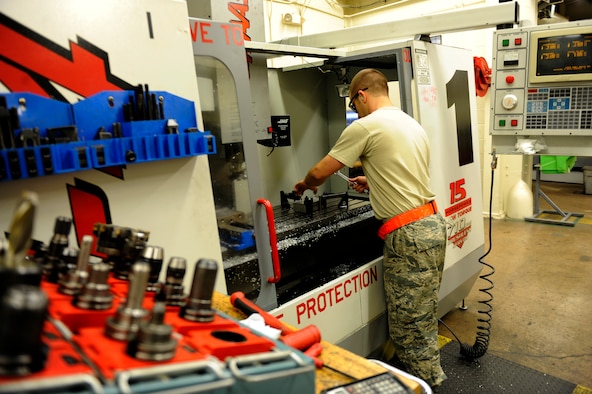 In the products they make use of, the aerospace sector already requires a lot. CNC devices which are made use of here are mostly with the ability of managing Inconel, Titanium, Magnesium, Stainless-steel and so a lot more. From parts of the touchdown gear, to shuttle seats, to real estates, and even oxygen generation, CNC makers play a big component in their manufacturing.
It's not just that. Every CNC device used in this market also has to be authorized AND RATED by the Federal Aeronautics Management (FAA) to be safe and also to be undoubtedly with the ability of "Precision Machining". A NASA experience is extremely praised too.
USE IN THE MEDICAL SECTOR
If the Aerospace Market required accuracy above all, the Clinical Market needs sterility as long as accuracy. That's something that you might have recognized because you obtained your very first injection. A lot of CNC equipment which benefit this market are multi-spindle and consist of multi-turret turrets.
These special features allow the company to turn out components for healthcare facility tools, pulse meters, blood purification systems as well as mom medical gadgets. They are additionally beneficial in the mass manufacturing of non reusable products and non-embeddable elements.
High-torque milling and also turning pins are greatly required in this market to make it possible for users to refine all substratums presently made use of in the medical tool and orthopedic implant markets. Furthermore, CNC makers suggested in the clinical sector are those which can correctly handle Titanium, Cobalt Chromium, Nitinol and others.
THE MILITARY INDUSTRY This industry's primary worry in addition to precision is protection. In fact, if you attempt to search online the CNC-manufactured products or CNC machines made use of in this sector, no matter exactly how famous their credibility is, the producer can not display (pictures of) the materials that they have actually created for their clients. They can just display products which they are made use of in. Using a CNC machine works well on most machinable products, this includes: Metal Sheet, Plastic Sheets, and even Wood or Lumber products.
This industry deals heavily with Inconel, Titanium, Kevlar, Monel and Hastealloy; so most CNC makers suggested in the Army market must have the ability to manage those.
Famous CNC criteria evaluators in this industry consist of the Department of Defense (DOD), the Mil Specification (Military Requirement) and various other picked armed forces fields.
The top supervisors of these industries also demand their CNC equipment to be purchased from CNC maker suppliers which abide by the International Criteria Company (ISO). As well as because these markets are CNC-dependent, their stores can inhabit a huge amount of area. Primarily, that makes no space for traditional techniques and also errors.
local performance plastic sheeting
Sunday, December 19, 2021
Plexiglass Sneeze Guard Shield for Counter
1. KEEP YOUR EMPLOYEES, WORKERS AND CUSTOMERS SAFER AND HAPPIER. The extra talll and large Plexiglass Sneeze Guard for counter brings a sense of safety to employees, workers and staff at their workplace. The plastic sneeze guard portable is a great way to protect both clients and cashiers and tellers while remaining open to the public. This plexi glass sneeze guard shield for counter is a MUST-HAVE to help staying safe from dangers caused by coughing, sneezing or even droplets.
2. EVERYONE WILL BE PROTECTED AND SECURE DURING TRANSACTIONS. Keep your business safe and open with our portable sneeze guard acrylic. Their clear material can easily be wiped down, and offers an effective barrier against transmission. The acrylic sneeze guard for desk works as a cashier sneeze guard is a must have shields for safety and protection for sales and service businesses. Using this protective sneeze guard will minimize the health risks many essential employees are faced with today!
3. PEEL OFF PROTECTIVE WHITE PLASTIC FILM BEFORE ASSEMBLY - The sneeze guards has a white plastic film on it to prevent scratching during transit. Please peel off and remove the white protective plastic film before assembly to see the transparent acrylic sreen. Can be assembled in minutes withouot any tools. These clear plexiglass barriers are perfect for manicure tables at nail salons or retail countertops in shops, pharmacies, grocery stores or banks.
4. ASSEMBLES IN SECONDS WITHOUT ANY TOOLS - Our FREESTANDING cashier protection sneeze guard is quick and easy to assemble by one person in seconds without any tools. It can be easily disassembled and moved easily wherever a plexiglass window is needed. Perfect for use as a countertop sneeze guard for restaurant cashiers, workstation screen, and portable sneeze guards for countertops. Remove protective white plastic film before assemly to see clear plexiglass plastic under it.
Plexiglass Sneeze Guard Shield for Counter
1. KEEP YOUR EMPLOYEES, WORKERS AND CUSTOMERS SAFER AND HAPPIER. The extra talll and large Plexiglass Sneeze Guard for counter brings a sense of safety to employees, workers and staff at their workplace. The plastic sneeze guard portable is a great way to protect both clients and cashiers and tellers while remaining open to the public. This plexi glass sneeze guard shield for counter is a MUST-HAVE to help staying safe from dangers caused by coughing, sneezing or even droplets.
2. EVERYONE WILL BE PROTECTED AND SECURE DURING TRANSACTIONS. Keep your business safe and open with our portable sneeze guard acrylic. Their clear material can easily be wiped down, and offers an effective barrier against transmission. The acrylic sneeze guard for desk works as a cashier sneeze guard is a must have shields for safety and protection for sales and service businesses. Using this protective sneeze guard will minimize the health risks many essential employees are faced with today!
3. PEEL OFF PROTECTIVE WHITE PLASTIC FILM BEFORE ASSEMBLY - The sneeze guards has a white plastic film on it to prevent scratching during transit. Please peel off and remove the white protective plastic film before assembly to see the transparent acrylic sreen. Can be assembled in minutes withouot any tools. These clear plexiglass barriers are perfect for manicure tables at nail salons or retail countertops in shops, pharmacies, grocery stores or banks.
4. ASSEMBLES IN SECONDS WITHOUT ANY TOOLS - Our FREESTANDING cashier protection sneeze guard is quick and easy to assemble by one person in seconds without any tools. It can be easily disassembled and moved easily wherever a plexiglass window is needed. Perfect for use as a countertop sneeze guard for restaurant cashiers, workstation screen, and portable sneeze guards for countertops. Remove protective white plastic film before assemly to see clear plexiglass plastic under it.
Thursday, December 9, 2021
Plastic is lighter than glass
In its basic words, the principle difference between the different types of plastic is the way in which their cellular structure, or molecules bond with one another, and the path tightly they're formed.
1) Low Density Polyethylene( LDPE ), commonest type of plastic sheeting, very flexible, most often from 0.5 mil thick to about 40 mil in flexible sheeting forms. Good conformability to surfaces. Because the cell construction is just not as strong or dense as another kinds of plastic sheeting, "its not" normally stronger and stronger or puncture resistant as different forms or mixtures, nonetheless has thousands of widespread utilizes. Extensively be useful for all the pieces from building and agricultural sheeting( generally called Visqueen ), Engineered Plastic Sheeting of numerous sorts for things like Vapor Retarders( additionally called Vapor Obstacles by many ), Floor Safety movies, Pond and Canal Liners, Covers, Tarps, Abatement Plastic, Containment, package, and the roll goes on.
2) Linear Low Density Polyethylene( LLDPE ), merged form of LDPE the place the movie has style greater flexibility, tensile strength, and more conformability. LLDPE is "softer" and extra pliable, so is a wonderful select for such things as pond liners, or blended into other movies to provide them extra strength and flexible. This is perfect for an application like a self-adhesive carpet security movie, where the movie must have an amazing sum of strength in a really thin film to soak up wallops, however not tear or puncture. On this form of poly, the molecules all line up and strongly hold together as the film is unfolded to present such structures far more ability and elongation than LDPE. Most common in thick film starting from 0.5 mil to 40 mil in flexible plastic sheeting.
3) Medium Density Polyethylene( MDPE ), the least generally used type of polyethylene for versatile plastic sheeting. Has extra energy than LDPE, moderately extra substance resistance, tighter cell structure, extra puncture and tear resist. Often blended with LDPE and or LLDPE to give the attributes one is looking for in a particular kind of movie. For instance, many pond liners have MDPE to lend some strength and toughness, with out including an excess amount of stiffness.
4) High Density Polyethylene( HDPE, aka HD ), extensively used for many applications. HDPE is the strongest, toughest, most chemical resistant, and least versatile of these four assortments of polyethylene. It additionally has the most UV resistance of the bunch without additive packets to widen this attribute. HDPE has a very tight cell construction, moving it very difficult for other molecules to go by means of its formation on a microscopic grade. HDPE is essentially the most easily subject seamed of those product, and is generally used on an industrial degree in thicknesses from about 12 mil to a hundred mil Thick plastic sheets. Most golf course ponds are lined with HDPE, most industrial ponds and canal liners, secondary containment liners, root obstacles, many parts the place chemical opposition is necessity. This is additionally utilized in 1000' s or perhaps hundreds of functions in thinner diversities, particularly in blends with the opposite forms of polyethylene, because the HDPE affords a lot vigor and toughness with its very tight attachments with different molecules.
The density of polyethylene is measured in a editorial of ocean, and they're all categorized relying on assortments of density. LDPE( and LLDPE) are normally throughout the scope of 0.919 -0.924 g/ cm3. MDPE are generally throughout the scope of 0.926 -0.940 g/ cm3. HDPE are often inside the differ of 0.941 -0.965 g/ cm3. These numerals can vary scarcely depending in your generator, and are generally not set in stone, only general guidelines.
Plastic is lighter than glass
In it's simplest terms, the relevant principles difference between the different types of plastic is the way in which their cellular arrangement, or molecules bond with each other, and the style tightly they're formed.
1) Low Density Polyethylene( LDPE ), commonest type of plastic sheeting, highly flexible, most often from 0.5 mil thick to about 40 mil in flexible sheeting patterns. Good conformability to surfaces. Because the cell construction is just not stronger and stronger or dense as another sorts of plastic sheeting, it is not generally as strong or puncture resistant as different forms or combinations, nonetheless has thousands of widespread utilizes. Extensively be useful for all the fragments from build and agricultural sheeting( generally called Visqueen ), Engineered Plastic Sheeting of several kinds for things like Vapor Retarders( additionally called Vapor Obstacles by many ), Floor Safety movies, Pond and Canal Liners, Covers, Tarps, Abatement Plastic, Containment, package, and the directory goes on.
2) Linear Low Density Polyethylene( LLDPE ), merged form of LDPE the place the film has path more flexibility, tensile strength, and more conformability. LLDPE is "softer" and extra pliant, so is a wonderful alternative for such things as pond liners, or blended into other movies to provide them extra strength and flexible. This is perfect for the purposes of an application like a self-adhesive carpet security film, where the movie must have an astounding length of strength in a really thin cinema to soak up wallops, nonetheless not tear or puncture. On this form of poly, the molecules all line up and strongly hold together as the film is unfolded to present the structure far more strength and elongation than LDPE. Most common in thickness starting from 0.5 mil to 40 mil in flexible plastic sheeting.
3) Medium Density Polyethylene( MDPE ), the least generally used type of polyethylene for versatile plastic sheeting. Has extra vigor than LDPE, moderately extra chemical resistance, tighter cell arrangement, extra puncture and tear resistance. Often blended with LDPE and or LLDPE to offer the attributes one is looking for in a specific kind of film. For instance, many pond liners have MDPE to lend some strength and toughness, with out including an excessive quantity of stiffness.
4) High Density Polyethylene( HDPE, aka HD ), extensively used for many applications. HDPE is the strongest, toughest, most chemical resistant, and least versatile of these four smorgasbords of polyethylene. It additionally has the most UV resistance of the bunch without additive parcels to widen this attribute. HDPE has a very tight cell construction, shaping it difficult for other molecules to go by means of its formation on a microscopic degree. HDPE is basically the most easily subject seamed of those product, and is generally used on an industrial level in thickness from about 12 mil to a hundred mil Thick plastic sheets. Most golf course ponds are lined with HDPE, most industrial ponds and canal liners, secondary containment liners, root impediments, many runs the place chemical resistance is needed. This is additionally utilized in 1000' s or maybe hundreds of thousands of runs in thinner ranges, especially in blends with the opposite different forms of polyethylene, because the HDPE supplies a lot vitality and toughness with its very tight bonds with various molecules.
The density of polyethylene is measured in a article of sea, and they're all categorized relying on assortments of density. LDPE( and LLDPE) are generally in all regions of the assortment of 0.919 -0.924 g/ cm3. MDPE are generally throughout the range of 0.926 -0.940 g/ cm3. HDPE are typically inside the vary of 0.941 -0.965 g/ cm3. These numerals can differ barely depending in your informant, and are often not set in stone, merely general guidelines.
Tuesday, December 7, 2021
Bayer Makrolon Polycarbonate Sheet are considered unbreakable
Polycarbonate plastic materials have a great blend of useful features this includes high temperature resistance, impact resistance and optical properties position polycarbonates in between commodity plastics and engineering materials.
Polycarbonate is definitely a tough material. Whilst it offers higher impact-resistance, it possesses a lower scratch-resistance and so a hard coating can be applied to polycarbonate eyeglasses and polycarbonate exterior automobile components. The characteristics of polycarbonate are generally comparable to those of Acrylic PMMA materials, yet , polycarbonate is actually stronger, it is usable in a wider temperature range and is a bit more expensive. This plastic polymer is highly transparent to visible light and it has better light transmission characteristics than several types of glass.
Polycarbonate has a glass transition temperature of approximately 150 °C (302 °F), therefore it softens slowly above this point and flows above about 300°C (572 °F). Tools ought to be held at higher temperatures, generally above 80 °C (176 °F) to produce strain- and stress-free products.
Unlike most thermoplastics, polycarbonate can undergo dramatic deformations without cracking. Because of this, it could be processed and formed without needing to be heated using standard sheet metal techniques, such as forming bends on a brake. Even for sharp angle bends with a tight radius, no heating is usually necessary. This makes it attractive prototyping applications where transparent or electrically non-conductive parts are needed, which can not be crafted from sheet metal. Be aware that PMMA/Plexiglas, which happens to be similar in looks to polycarbonate, but is brittle and can't be bent at room temperature.
Polycarbonate is frequently found in eye protection, in addition to other projectile-resistant see through or lighting applications that would normally be thought of as requiring the use of glass, but require much higher impact-resistance. Many kinds of lenses are made of polycarbonate, including automotive headlamp lenses, lighting lenses, sunglass/eyeglass lenses, swimming and SCUBA goggles, and safety glasses for use in sporting helmets/masks and police riot gear. Windscreens in small motorized vehicles are commonly produced from polycarbonate, such as for motorcycles, ATVs, golf carts, and small planes and helicopters.
Lexan Polycarbonate Sheets offer high impact strength
Polycarbonate plastic products offer a balance of helpful features which include temp resistance, impact resistance and optical properties position polycarbonates between commodity plastics and engineering materials.
Polycarbonate is a very durable material. Though it has considerable impact-resistance, it has got low scratch-resistance and so a hard coating may be applied to polycarbonate eye wear as well as polycarbonate exterior vehicle components. The properties of polycarbonate are similar those of Acrylic PMMA materials, but polycarbonate is stronger, it is usable in a wider temperature range and is a bit more expensive. This plastic polymer is highly transparent to visible light and it has better light transmission characteristics than many different types of glass.
Polycarbonate has a glass transition temperature near 150 °C (302 °F), therefore it softens slowly above this point and flows above about 300°C (572 °F). Tools must be held at high temperatures, generally above 80 °C (176 °F) to help with making strain- and reduced stress products.
Unlike almost all other thermoplastics, polycarbonate can undergo dramatic changes in basic shape without cracking or breaking. Therefore, it is sometimes processed and formed without needing to be heated using sheet metal techniques, such as forming bends with a brake. For even sharp angle bends with a tight radius, no heating is usually necessary. This makes it valuable in prototyping applications where transparent or electrically non-conductive parts are needed, which can't be created from sheet metal. Keep in mind that PMMA/Plexiglas, that is similar in looks to polycarbonate, but it's brittle and can't be bent with out a heating process.
Polycarbonate is frequently utilized in eye protection, along with other projectile-resistant optical type applications that would normally indicate the use of glass, but require much greater impact-resistance. Many kinds of lenses are produced from polycarbonate, including automotive headlamp lenses, lighting lenses, sunglass/eyeglass lenses, swimming and SCUBA goggles, and safety goggles for use in sporting helmets/masks and police riot gear. Windscreens in small motorized vehicles are normally fabricated from polycarbonate, such as for motorcycles, ATVs, golf carts, and small planes and helicopters.
Tuesday, March 9, 2021
Sheffield Plastics Polycarbonate Sheets are considered unbreakable
Makrolon Polycarbonate materials give you a balance of beneficial features which include high temperature resistance, impact resistance and optical properties position polycarbonates in between commodity plastics and engineering plastic materials.
Polycarbonate is definitely a high quality material. Whilst it has tremendous impact-resistance, it has got minimal scratch-resistance and thus a hard coating may be applied to polycarbonate eyeglasses lenses and polycarbonate exterior automotive components. The properties associated with polycarbonate are generally similar those of common Acrylic materials, but polycarbonate is definitely stronger, it is usable in a wider temperature range and is a bit more expensive. This plastic polymer is highly transparent to visible light and has better light transmission characteristics than many kinds of glass.
Polycarbonate has a glass transition temperature near 150 °C (302 °F), so it softens slowly above this point and flows above about 300°C (572 °F). Tools ought to be held at high temperatures, generally above 80 °C (176 °F) to help with making strain- and stress-free products.
Unlike most thermoplastics, polycarbonate can undergo dramatic shape changes without cracking. Due to this fact, it can be processed and formed without needing to be heated using sheet metal techniques, such as forming bends with a brake. For even sharp angle bends with a tight radius, no heating is generally necessary. This makes it useful for prototyping applications where transparent or electrically non-conductive parts are required, which should not be crafted from sheet metal. Understand that PMMA/Plexiglas, that is certainly similar in appearance to polycarbonate, but is brittle and can't be bent unless it is heated.
The light weight of polycarbonate, in contrast to glass, has led to advancement of electronic display screens that replace glass with polycarbonate, for use in mobile and portable devices. Such displays include newer e-ink and some LCD screens, though CRT, plasma screen and other LCD technologies which still require glass for its higher melting temperature and its ability to be etched in finer detail.
Other kinds of items manufactured from Polycarbonate include durable, lightweight luggage, MP3/digital audio player cases, computer cases, police riot shields, instrument panels, and common style blender jars. Many toys and hobby products are made out of polycarbonate parts, e.g. fins, gyro mounts, and flybar locks for use with radio-controlled helicopters.
For use in applications subjected to weathering or UV-radiation, a special surface treatment could be needed. This can be a coating (e.g. for improved abrasion resistance), or perhaps the coextrusion for enhanced weathering resistance.
Bayer Makrolon Polycarbonate is a thermoplastic that begins as a solid plastic material in the form of small pellets. In a manufacturing process called injection molding, the pelletized resin is heated until they melt in to a thick liquid. This liquid polycarbonate is then rapidly injected into the mold - shaped like the part, compressed under high pressure and cooled to create a finished product , all in just a minute or so.
Sheffield Plastics Polycarbonate Flat Sheet are considered unbreakable
Polycarbonate plastic materials have a great blend of useful features this includes temp resistance, impact resistance and optical properties position polycarbonates in between commodity plastics and engineering plastic materials.
Polycarbonate is definitely a durable material. Though it offers significant impact-resistance, it possesses reduced scratch-resistance and so a hard coating is applied to polycarbonate eyeglasses and polycarbonate exterior auto equipment. The properties associated with polycarbonate are generally along the lines of those of Acrylic PMMA materials, except polycarbonate is stronger, it is usable in a wider temperature range and is a bit more expensive. This plastic polymer is highly transparent to visible light and has better light transmission characteristics than most grades of glass.
Polycarbonate carries a glass transition temperature of approximately 150 °C (302 °F), therefore it softens gradually above this point and flows above about 300°C (572 °F). Tools must be held at higher temperatures, generally above 80 °C (176 °F) to help with making strain- and almost stress free products.
Unlike most other thermoplastics, polycarbonate can undergo dramatic shape changes without breaking or cracking. As a result, it is sometimes processed and formed cold using standard sheet metal techniques, for instance forming bends with a brake. For even sharp angle bends having a tight radius, no heating is usually necessary. This makes it useful for prototyping applications where transparent or electrically non-conductive parts are important, which can't be created from sheet metal. Understand that PMMA/Plexiglas, which is similar in looks to polycarbonate, but it's brittle and can't be bent at room temperature.
The light weight of polycarbonate, compared to glass, has led to continuing development of electronic display screens that replace glass with polycarbonate, for use in mobile and portable devices. Such displays include newer e-ink and a few LCD screens, though CRT, plasma screen and other LCD technologies which still require glass for its higher melting temperature and the ability to be etched with finer detail.
Other kinds of items manufactured from Polycarbonate include durable, lightweight luggage, MP3/digital audio player cases, computer cases, riot shields, instrument panels, and blender jars. Many toys and hobby goods are made of polycarbonate parts, e.g. fins, gyro mounts, and flybar locks for use with radio-controlled helicopters.
For use in applications exposed to weathering or UV-radiation, a special surface treatment maybe needed. This may be a coating (e.g. for improved abrasion resistance), or a coextrusion for enhanced weathering resistance.
Bayer Makrolon Polycarbonate is a thermoplastic that starts as a solid plastic material in the form of small pellets. In a manufacturing process called injection molding, the pelletized resin is heated until they melt in to a thick liquid. The liquid polycarbonate is then rapidly injected into the mold - shaped like the part, compressed under high pressure and cooled to create a finished product in less than a minute.
Tuesday, February 16, 2021
Saving thousand dollars a year is THIS easy!
I am always in wonder at how some people complain about having no money.. and yet seem to have a blind spot on what they spend money on. Luckily for Mr Zhong Shanshan (whom I bet you’ve never heard of!) there are enough blind spotters in the world to make him the 6th richest man in the world.
How did that happen? Simple. He bet on people’s blind spot and sold them exactly what they never needed but suddenly though they did.
Bottled water.
Think about it. If you are 30 or over you still remember when you DIDNT see the need to buy bottled after. You drank water from your home tap. Then came the fear campaigns (and the chemicals!) that proved to you that water enclosed in a plastic sheath, and sold to you by a multinational was ‘better’.
Yes, it may be better if it can be proven it is chemical free.. but the scores of cases already recorded of exposes of companies that just filled bottles with tap water makes that one hard to accept. And now we know about the problems of plastics and the fact that we ingest the equivalent of a credit card of plastic EVERY MONTH.. the idea of a plastic bottle loses its attraction.
We all know about food miles.
We have agreed that we should buy food locally where possible for many good reasons. But water? There’s that blind spot. Just grab a dozen of the supermarket shelf. They are on special this week.
Yes, there are some quite terrible water supplies. In the US there are over 200 cities that supply water with toxic levels of lead, a known brain toxin. In Australia thousands of people are drinking water with carcinogenic PFOAs. In many countries fluoride, chlorine and chloramine has been added to ‘make our water safe’.
I’m sure Mr Shanshan can tell us hundreds of stories about how bad Chinese water supplies are.. and every time he does, he can watch his bank account grow. I have no argument with him. Perhaps given China’s water problems he is doing something good.. but honestly, at what cost to the environment and the world?
If you’d like to get off the bottled water merrygoround, drop us a line and we’ll show you how you can massively reduce the money you spend on good water.. forever. And get ready to have lots more dollars in your pocket!
Call on Leon in USA
Call on Callum in the UK
and Michael in NZ
Call on Angela in Canada
Call on JJ in Singapore and Malaysia
Call on Alkaway in Australia
Subscribe to:
Posts (Atom)